Start without paying anything
Everything you can read and use for free.
The first chapters of 20 works are open here — no sign-up, no catch. And if you write, the method we use to build a saga is just as open. Two paths, no charge.
To read
Start with a first chapter
Pick one. Chapter 1 opens in full, free. If the story pulls you in, the continuation arrives by email — one click, no cost.

Dinárquico
A soccer star at his peak feels his own hand fail at the moment of the goal — and discovers his body is the first visible case of something buried before humankind.
Read chapter 1 ›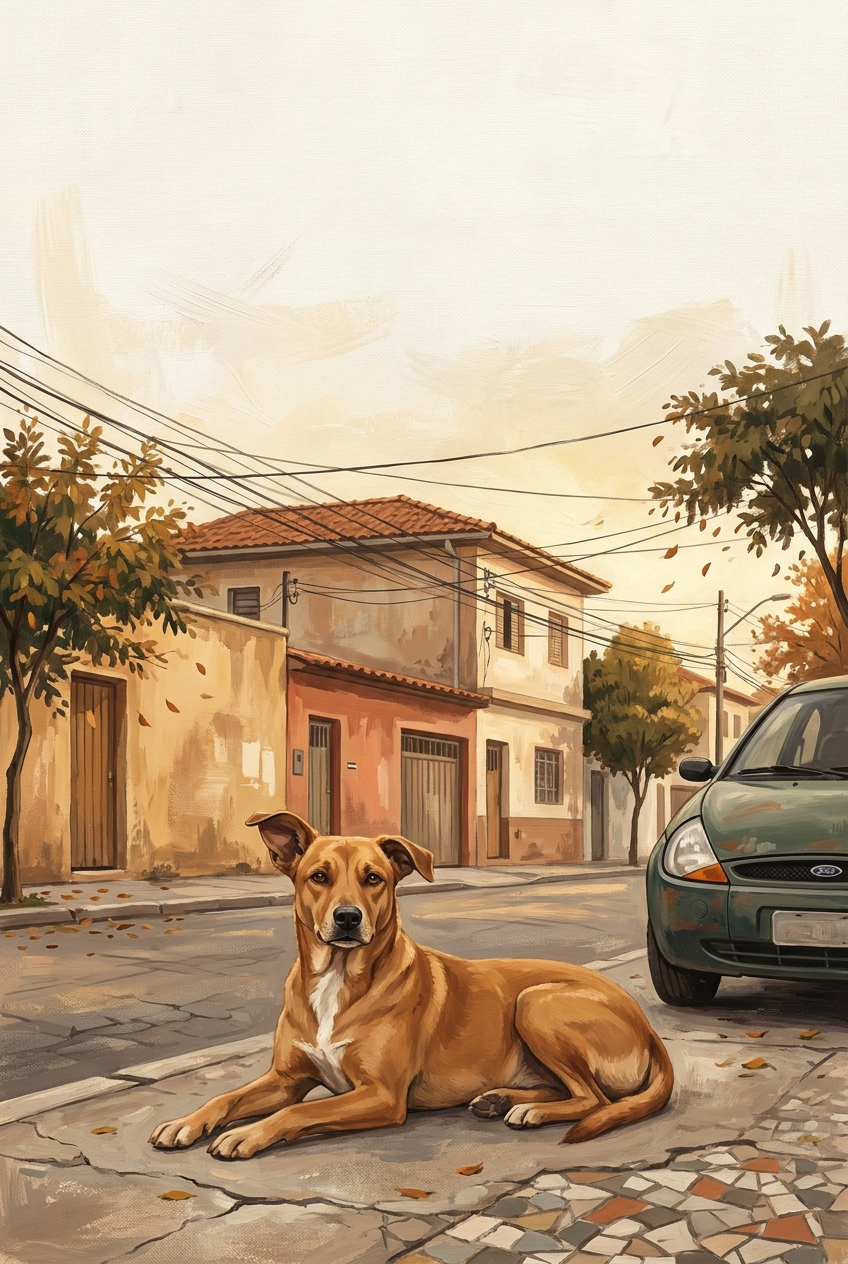
Pampa Canis
A caramel-colored dog, found one Saturday morning under a car in Porto Alegre, opens the story of the dog all of Latin America has in common — and pretends not to see.
Read chapter 1 ›
O Antígeno Ausente
A translator discovers a rare absence in her own blood — and realizes she spent years making acceptable the language of systems that turn bodies into data.
Read chapter 1 ›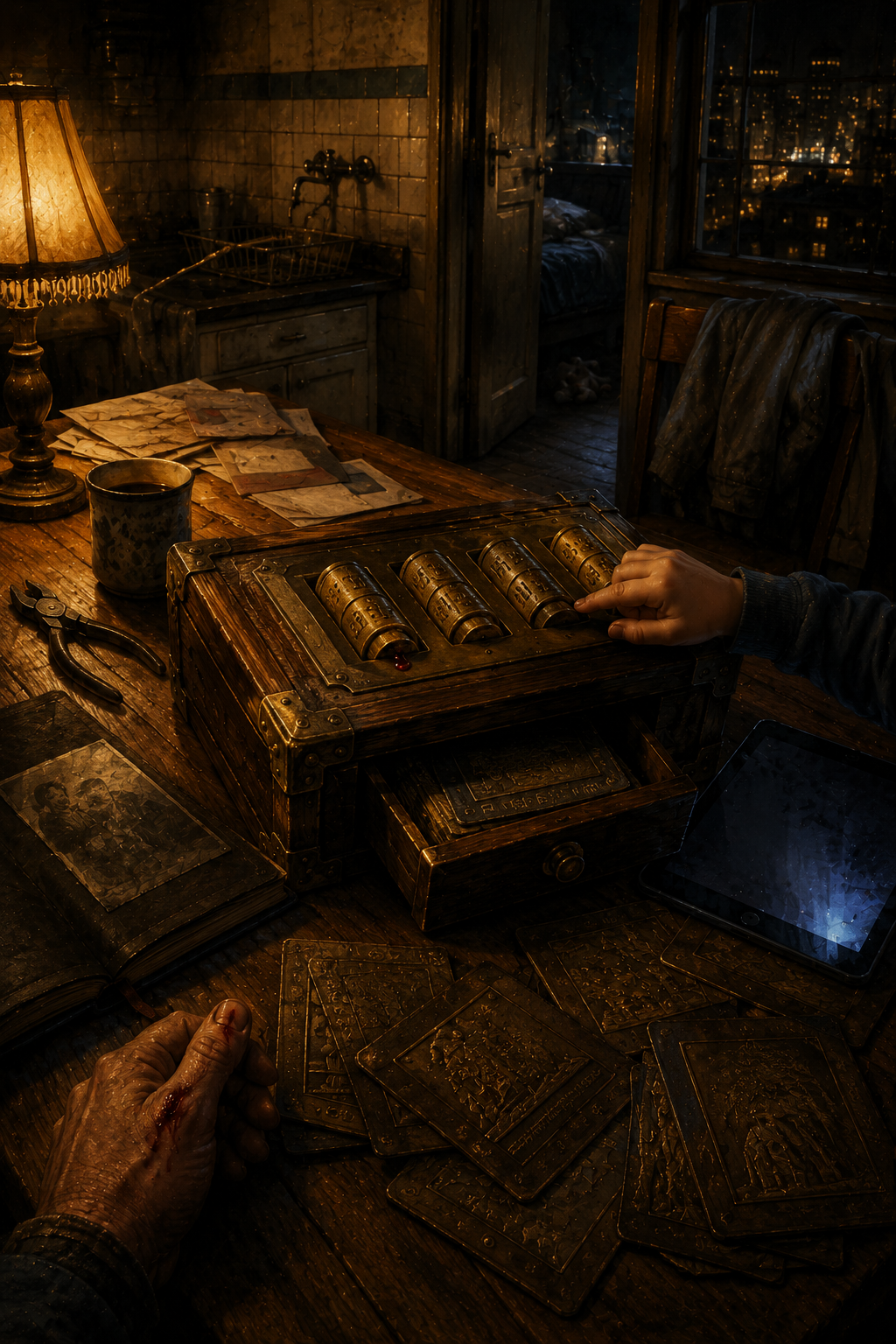
OARKHE
A man in Buenos Aires inherits from his rabbi grandfather a box of walnut and bronze, with Hebrew letters and cylinders that turn only for those who know how to ask.
Read chapter 1 ›
O'Bardo
A faceless bard records the world's chronicles before 'El Olvido' turns everything into routine, noise and banal explanation.
Read chapter 1 ›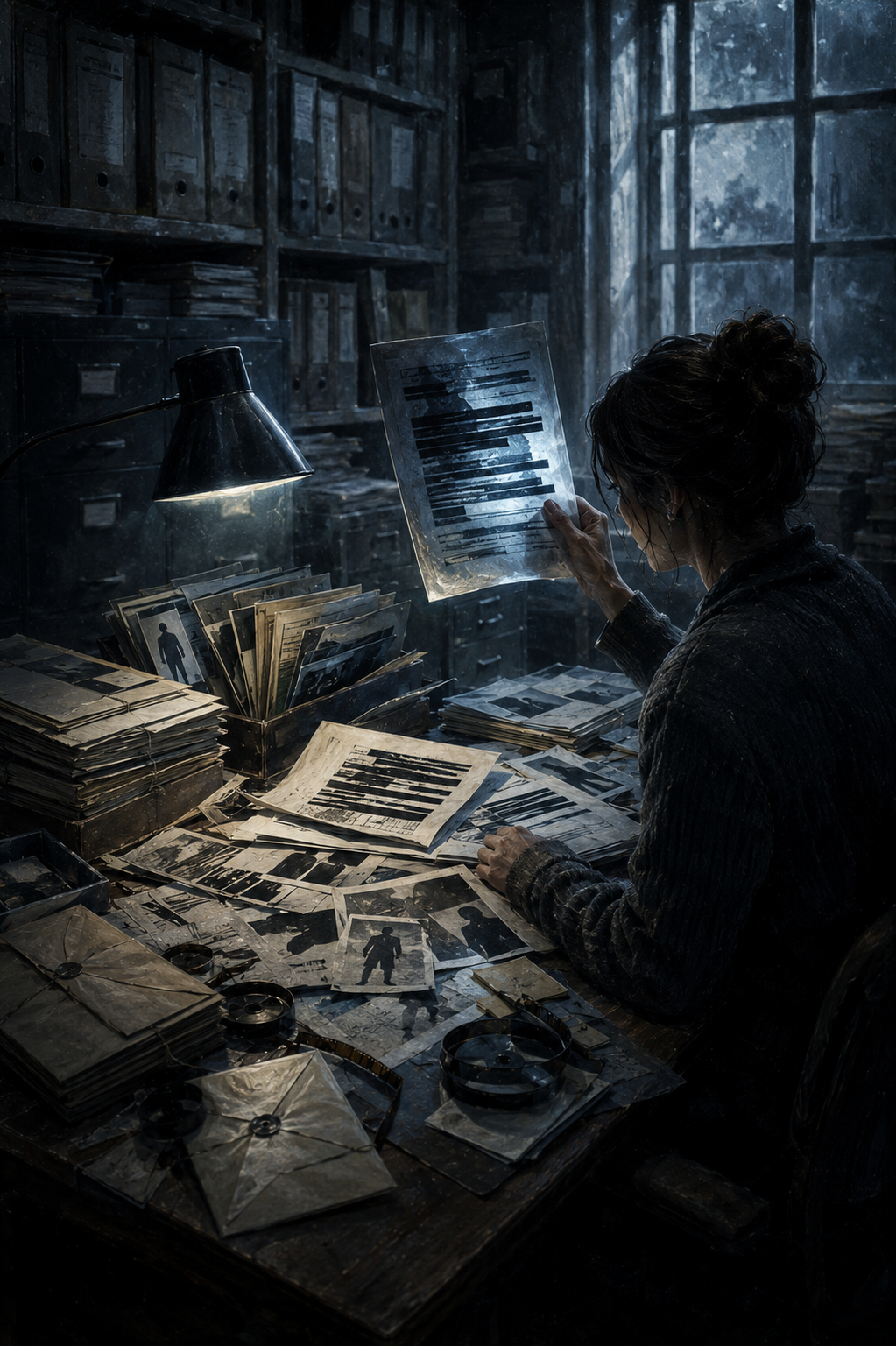
Surah Winder
An archivist discovers that a plane disaster wasn't just investigated: it was edited as a document before being explained — and the same dead woman appears with a different nationality on each paper.
Read chapter 1 ›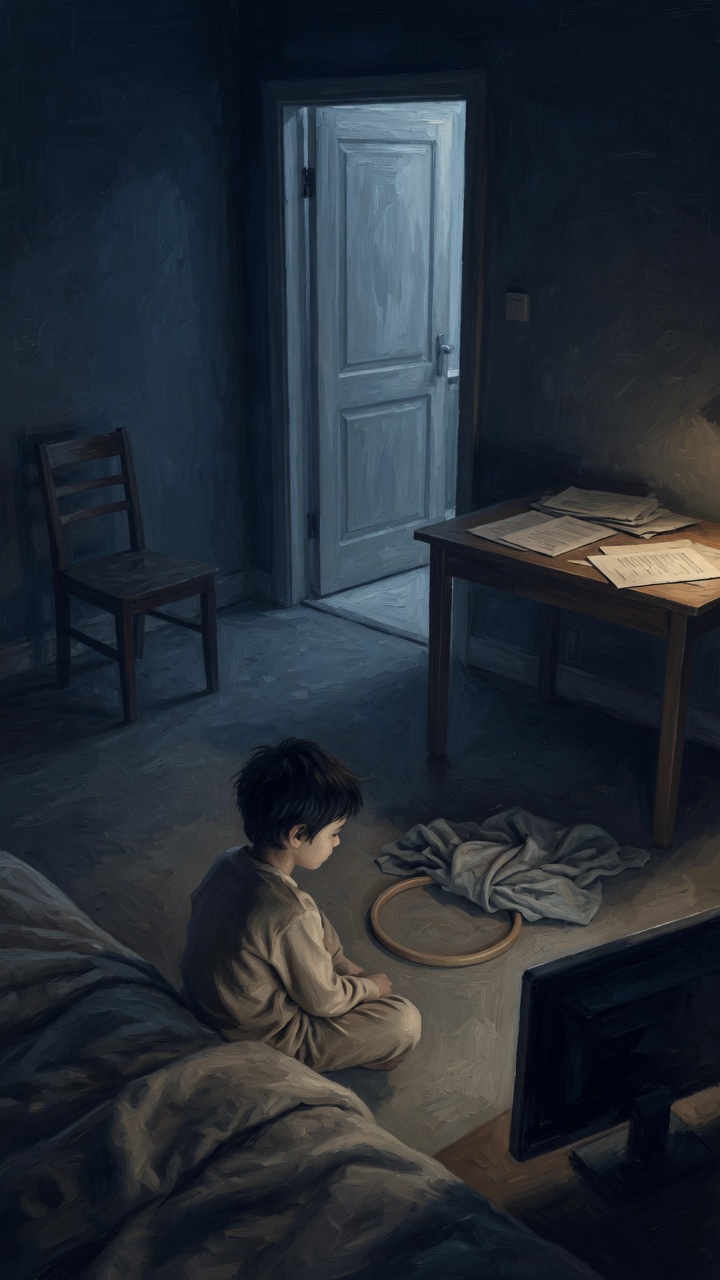
Instrumentos Cegos
A new mother delegates the perception of her own child to an app that promises to never fail — until the day it adjusts what she's allowed to see.
Read chapter 1 ›
KOLYAD
A sound technology built to heal trauma reveals that sound can be memory and cure — but also surveillance, control and a battlefield.
Read chapter 1 ›Read the beginning now. Get the rest by email.
The first chapters are already open on the site — free, no sign-up. Leave your email and you'll be first when a new work opens, and get the continuation of the ones you're following. No noise: just story.
To write
How Universo Maestro builds a saga
This isn't course theory. It's the real method behind this imprint's works — open to anyone who wants to write their own. Seven steps, from the first paragraph to publishing.
- 01
Start with the question the story won't let go of
Every work here is born from a single question the reader needs answered — one the first page opens without giving away. It's not the plot summary: it's the gap. What does the box in Belgrano hold? Why does the star's hand fail at the moment of the goal? As long as that question burns, the reader turns the page.
- 02
Build the bible before chapter 2
Before moving on, the work gets a bible: world, rules, characters, timeline. It's what keeps nothing from contradicting itself twenty chapters later — and it's where the technical e-books and games later come from. The story improvises in its scenes; never in its rules.
- 03
Each chapter opens one loop and closes another
A chapter delivers an answer and plants a new question. It's the open loop that makes the reader ask for the next one. The care is in the dose: withhold too little and nothing moves, withhold too much and it frustrates and breeds distrust. The hook promises — it doesn't deceive.
- 04
Write for the scanner, not the memorizer
The screen reader scans before diving in. You enter the scene late and leave early; the essentials come in the first lines; the cuts are clean. A chapter short enough to fit in a break, dense enough to be worth the click.
- 05
The arc breathes: tension, relief, twist
A saga isn't tension without pause — it's rhythm. It rises, lets you breathe, and twists just when the reader thought they understood. The relief exists so the next blow hurts. The twist exists to rewrite what's already been read.
- 06
The free line sits at the end of chapter 1
The first chapter is always open and free — it's how the reader measures the style before giving anything. From the continuation onward, the confirmed email opens the door. The reader list is the imprint's central asset: a warm list of people who read chapter 1 is worth more than ten thousand followers who never opened.
- 07
Publish on a cadence, not in bursts
Serialized story lives on consistency. A work that opens, vanishes and returns six months later loses the reader along the way. A predictable cadence builds habit — and habit is what turns a curious reader into a house reader.
Want to see the method become story? Read chapter 1 of Pampa Canis — it's steps 01 to 07 in practice.